
A useful plumbing services list does more than name leak repair, drain cleaning, or water heater work. It should show what each job demands from a solo plumber, where the scope can expand, and how to turn the work into a quote, signed agreement, invoice, or recurring payment plan. That matters in a trade where the work is local and labor-intensive. In May 2022, the U.S. employed 427,920 plumbers, pipefitters, and steamfitters, with a mean annual wage of $65,190, according to the Bureau of Labor Statistics data summarized by ServiceTitan.
The strongest service menu is operational, not merely descriptive. This list moves from urgent calls and repeat maintenance to material-heavy installations, regulated site work, and specialized water services. It also connects each category with the administrative task most likely to affect your cash flow. AurenWell can provide that practical layer, linking estimates, signatures, contracts, invoices, payments, time, expenses, and client history in one workflow. For broader positioning, compare your offer with this guide to professional plumbing service.
1. Emergency and Repair Plumbing
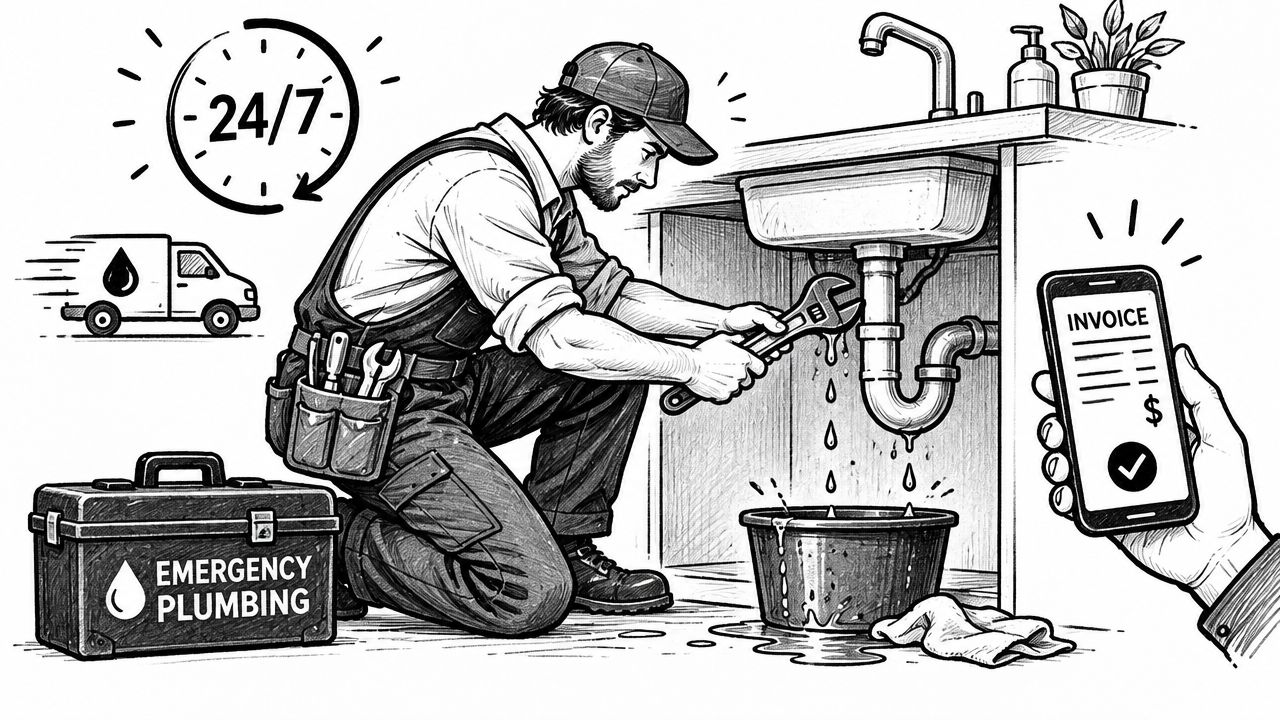
Emergency repair plumbing creates the greatest scheduling pressure because the customer needs a decision before you can perform a complete diagnosis. A midnight burst pipe, a commercial kitchen blockage during service, or a failed water heater may require immediate isolation first and permanent repair later. If your quote treats both stages as one undefined promise, you risk doing extra work without a clear approval trail.
Start with a call-out or diagnostic charge, then define what the initial visit includes. For example, the first scope might cover locating the shutoff, stopping active water flow, removing damaged components, and restoring safe temporary operation. Permanent replacement, drying, wall access, or work by a restoration contractor should appear as separate items.
Practical rule: Emergency authorization should cover stabilization, not every possible repair discovered after the wall or ceiling is opened.
Cash collection matters because urgent customers may be stressed, distracted, or waiting for an insurer. Use AurenWell's mobile workflow to track time during the call, send an invoice from the site, and offer Stripe card or ACH payment through the invoice link. A signed emergency-services template can record the approved scope, after-hours terms, exclusions, and the customer's responsibility for concealed conditions.
For higher-value work, schedule polite reminders at 3, 7, and 14 days, an available AurenWell reminder sequence, rather than relying on one follow-up email. That approach is especially relevant because payment follow-up has produced measurable operational results in an independent example involving an eight-technician commercial plumbing company. The company had about $180,000 in outstanding accounts receivable, and its average AR aging fell from 52 days to 31 days after a 60-day reminder sequence, with $14,200 recovered from previously written-off accounts, as documented by US Tech Automations.
For additional context on urgent hot-water work, see this emergency hot water repair guide.
2. Drain Cleaning and Maintenance
Drain cleaning is easier to standardize than many repair categories, but the operational challenge is avoiding a cheap one-off job that never becomes a relationship. A kitchen drain, apartment riser, restaurant grease line, and sewer lateral may all be described as “blocked,” yet they require different equipment, access conditions, disposal arrangements, and follow-up expectations.
Quote the service boundary in plain language. State whether the price includes mechanical clearing, inspection, a specified access point, and a basic flow test. If the blockage returns because of collapsed pipe, root intrusion, grease buildup, or a structural defect, explain that correction work requires a new approval. Don't promise that clearing a symptom has repaired the line.
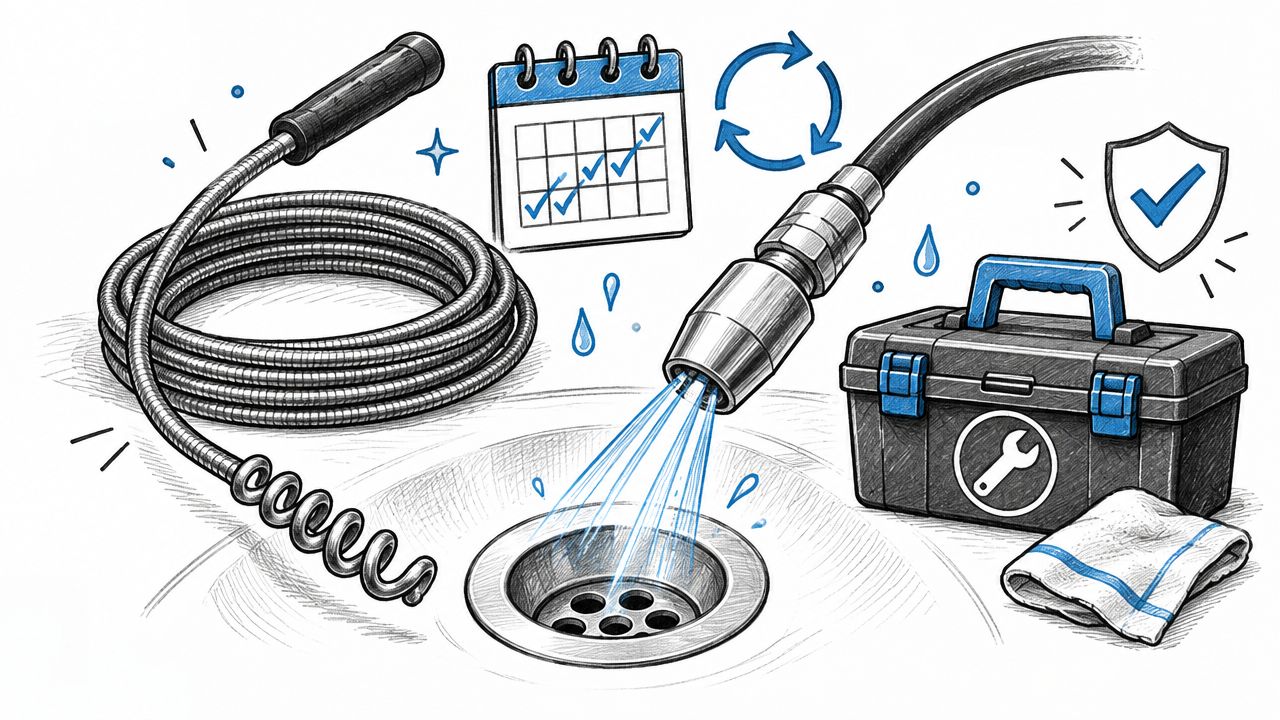
A recurring plan works best when the customer already has a reason to prevent repeat blockages. Restaurant grease-trap service, apartment drain maintenance, and scheduled sewer cleaning can support predictable billing. AurenWell's recurring invoices let you set the schedule, while an estimate template can convert approved work into an invoice without rebuilding every line item.
Turn a cleared drain into planned work
A practical proposal should offer the customer a choice:
- Immediate clearing: Remove the present obstruction and test drainage.
- Diagnostic follow-up: Add camera inspection or deeper investigation if flow remains poor.
- Preventive agreement: Schedule future visits with defined frequency, access requirements, and cancellation terms.
For repeat contracts, ACH can reduce the friction of collecting the same charge each cycle. Time tracking also gives you a record of how long different drain conditions take, which is more useful for future pricing than guessing from memory. A short job can remain simple, but recurring commercial work deserves a written agreement covering access, missed appointments, disposal, and what happens when cleaning exposes a damaged pipe.
A short drain cleaning video can help customers understand the difference between clearing an obstruction and maintaining the line.
3. Fixture Installation and Repair
Fixture work looks simple until the replacement exposes a damaged shutoff, an incompatible connection, a deteriorated cabinet, or a finish problem outside the plumbing scope. A faucet swap in an accessible sink is not operationally equivalent to a commercial sink installation or a toilet replacement that requires floor correction.
The safest quote separates fixture cost, labor, removal, disposal, access work, and possible non-plumbing repairs. If the customer supplies the fixture, identify the model and make clear who bears responsibility for missing parts, defects, delivery delays, or a product that doesn't fit the existing rough-in. If you purchase it, collect approval and a deposit before committing your cash to a special-order item.
AurenWell's estimate approval and e-signature tools can record the customer's acceptance before you buy materials. Its optional deposit collection helps reduce exposure, while expense capture lets you attach receipts and compare actual fixture costs with the quoted allowance. For solo operators who also handle adjacent repair tasks, AurenWell's tools for handymen offer a relevant way to keep the administrative workflow tied to the client record.
“The fixture is not the scope. The finished, tested installation is the scope.”
Write the completion standard into the agreement. It might include leak testing, alignment, operation of valves, cleanup of the immediate work area, and manufacturer paperwork where applicable. It should exclude tile replacement, cabinet reconstruction, painting, electrical changes, or concealed damage unless those items are specifically included.
A small repair may be invoiced at completion. A multi-fixture installation should use a deposit for approved materials and a final invoice after testing. Include warranty boundaries too. Your workmanship warranty and the manufacturer's product warranty aren't the same promise, and customers should be able to see that distinction before approval.
4. Water Heater Installation and Service
Water heater work combines urgency, equipment selection, permitting, and safety-sensitive connections. A failed tank may demand same-day replacement, while a tankless conversion or hybrid installation requires a much more deliberate review of fuel type, capacity, venting, electrical supply, drainage, and local requirements.
The quote should present the system as a complete installation, not just a unit price. Separate equipment, removal, labor, required fittings, disposal, permits, inspection coordination, and optional upgrades. If the customer is comparing tank, tankless, and hybrid models, document the selected model and the assumptions behind the recommendation. Avoid promising savings or performance outcomes that depend on household usage and site conditions.
A deposit is appropriate when you must purchase expensive equipment or reserve a special-order unit. The agreement should state when the balance is due, what happens if the customer changes the model after ordering, and whether financing is available through your chosen process. AurenWell can collect approval and a deposit through the estimate, then preserve the signed terms with the client record.
Use the replacement to create a service relationship
Water heaters also support planned follow-up. Offer an annual inspection or maintenance agreement with clear inclusions, exclusions, and warranty responsibilities. Recurring billing can work for scheduled service, but don't bundle unlimited emergency labor into a low, undefined membership promise. State whether priority scheduling, inspection, flushing, component checks, or replacement discounts are included.
Track installation time by phase, especially when permitting or access delays affect the job. That record improves future estimates and helps explain why a technically correct installation took longer than a basic replacement.
5. Pipe Installation and Repair
Pipe work creates the clearest boundary problem in a solo plumbing business. A pinhole leak may become a section replacement, while a repipe can expand from visible corrosion into wall access, insulation, patching, permit coordination, inspection, and finish work. The customer needs to know what you can see today and what may remain concealed.
Build the estimate around a defined route and access assumption. Identify the pipe material, area served, visible endpoints, shutoff requirements, testing, and restoration responsibility. For a larger repipe, list rooms or zones rather than using a single line called “whole-house plumbing.” If you can't inspect a concealed space, say so.
Use signed approval before destructive work begins. Your estimate terms and conditions should address hidden damage, access, change orders, material substitutions, inspection delays, and customer-caused downtime.
Bill long pipe projects by completed stages
A phased invoice is usually more defensible than a single final bill. Separate rough-in, inspection, and finish work, then define what triggers each payment. The customer can see progress, and you don't have to finance the entire material purchase and labor period.
- Scope record: Note the exact areas and pipe types included.
- Daily record: Track time, materials, photos, and discoveries.
- Change order: Obtain written approval before adding routes, access, or restoration.
- Completion record: Document pressure or flow testing and the areas returned to service.
AurenWell's timer can build a job history that supports future quoting. Expense capture helps compare fittings, pipe, rentals, and disposal against the original estimate. The administrative discipline is not separate from pipe work. It protects the margin when a straightforward repair turns into a project with several approval points.
6. Leak Detection and Water Damage Restoration
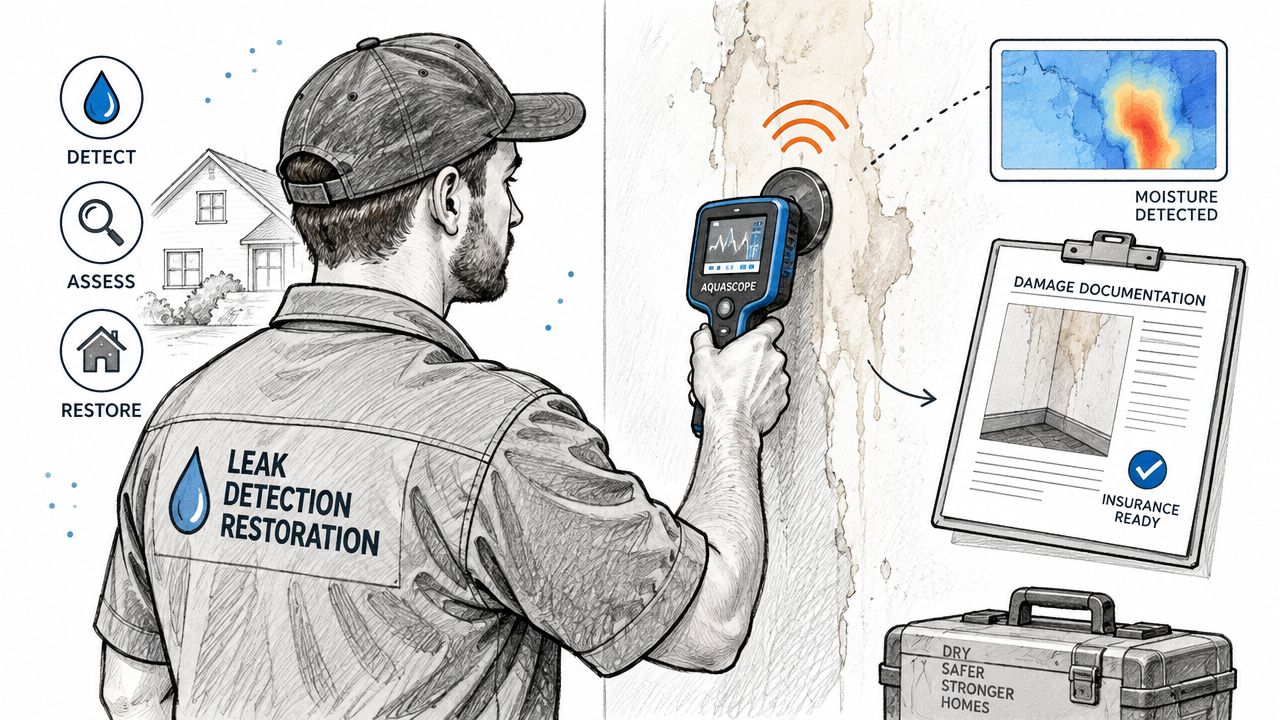
Leak detection is a diagnostic service, so the customer is paying for a finding, not necessarily a visible repair. Acoustic equipment, thermal imaging, dye testing, and moisture assessment can narrow the source, but building access, multiple leaks, intermittent conditions, and non-plumbing water intrusion can limit what one visit proves.
Quote the diagnostic boundary carefully. State the areas inspected, the methods used, the expected deliverable, and the conditions that may prevent a conclusive result. If the customer wants repair, drying, demolition, or restoration, list those as separate services or coordinate with a qualified restoration contractor.
A detailed report matters when an insurer, property manager, or another contractor needs to understand the finding. Include photographs, observed conditions, test locations, readings where relevant, and recommended next steps. Don't describe an insurance outcome as guaranteed. Your invoice should document your work, not promise claim approval.
Protect the diagnostic fee: Collect it at the visit or before releasing the report. Insurance decisions can take longer than your operating cash allows.
AurenWell's client record can connect the detection estimate, signed limitations, invoice, photos, and later repair proposal. Time tracking is useful because a difficult concealed leak can require methodical investigation even when the final repair is performed by someone else. If you provide restoration-related work, define exactly where plumbing responsibility ends and drying, sanitization, rebuilding, or contents handling begins.
Customers can also benefit from a plain-language water leak detection guide, particularly when they need to distinguish visible plumbing leaks from broader moisture problems.
7. Bathroom and Kitchen Remodeling
Remodeling creates the highest coordination burden because your plumbing schedule depends on cabinets, tile, electrical work, inspections, deliveries, and decisions made by the homeowner or general contractor. A kitchen island relocation or bathroom layout change can affect supply lines, drainage, venting, fixture placement, wall access, and finish sequencing.
Don't quote a remodel from a room label alone. Break the work into rough-in, inspection, trim, and finish stages, then specify the fixtures, connection points, access assumptions, testing, and cleanup included in each stage. If another trade owns demolition, framing, tile, painting, or electrical work, state that clearly.
A signed contract should include the timeline assumptions and a change-order process. Material delays and customer selections can shift your schedule, but you still need a written record of what changed and why. AurenWell's handyman estimate templates can help structure a repeatable estimate for smaller renovation projects while keeping the plumbing scope visible.
Use milestone billing, not a hopeful final invoice
Material exposure is high, and the job may occupy your calendar across multiple visits. Collect a deposit before ordering approved materials, then invoice at agreed milestones. The plan notes for this service use a 25 to 50 percent deposit range, but the appropriate amount depends on your contract, material commitment, local rules, and customer relationship. Never present a deposit as a universal requirement.
Record materials as expenses and compare them with the job estimate. If the homeowner changes a faucet, moves a drain, or requests an additional fixture, issue a written change order before proceeding. This prevents a common dispute, the customer remembering a conversation while you remember a price that never included the added work.
8. Septic System Installation and Maintenance
Septic work is site-dependent and regulated, so the initial visit often involves more than inspecting a tank. Soil conditions, property layout, drainage-field design, local approvals, tank sizing, access, and health-department requirements can determine whether the proposed solution is practical. A solo plumber should avoid treating a septic installation like a standard fixture replacement.
Separate site assessment, design coordination, permitting, installation, inspection, pumping, and maintenance in the quote. Identify which findings come from your inspection and which approvals or engineering services belong to another party. The contract should also state who provides excavation, what access the property owner must maintain, and how unexpected soil or site conditions change the scope.
Recurring work is the operational advantage in this category. Annual or semi-annual pumping and inspections can be scheduled with recurring invoices, but the agreement must define the service interval, access requirements, inspection documentation, disposal terms, and emergency exclusions. Don't describe a maintenance visit as a guarantee that the system will never fail.
Document every site decision
Use the client record to store site notes, photos, compliance findings, invoices, signed agreements, and appointment history. AurenWell's automated reminders can prompt customers before scheduled maintenance, reducing the chance that a service is forgotten. Its timer also helps you record consultation and site-visit time that would otherwise disappear from the final invoice.
For an installation, use milestone billing tied to approved stages such as assessment, permitted work, installation, and final inspection. For routine pumping or inspection, invoice per visit or through a clearly described recurring plan. The payment model should match the work's duration and regulatory uncertainty.
9. Commercial and Industrial Plumbing
Commercial and industrial plumbing changes the customer's buying process. A facility manager may need a service agreement, response terms, purchase-order details, visit reports, separate labor and material lines, and documentation that can pass through an accounting department. The work may include a complex building system, high-capacity equipment, water treatment, or ongoing preventative maintenance.
A solo plumber should quote the operational promise as carefully as the physical repair. Define the covered assets, service hours, response expectations, exclusions, emergency rates, reporting, access, and the process for work that exceeds the agreement. A maintenance contract without those boundaries can turn a predictable visit into unlimited troubleshooting.
Recurring invoices suit monthly or quarterly service agreements, while larger installations should use progress billing. Keep labor, materials, equipment rental, permits, and subcontracted work separate on invoices. Facility managers need that detail to approve payment and compare service history.
Commercial work is won twice: first when the manager approves the scope, and again when accounting can verify the invoice.
Store each service visit in the client record. Include the date, area inspected, condition found, work completed, parts installed, recommendations, and any deferred issue. That history supports warranty conversations and helps you quote future maintenance based on the actual building rather than a vague recollection.
Online payment can shorten the handoff to corporate accounting, but some commercial clients require purchase orders or bank transfers. Offer the payment method the client's process supports, and record manual payments accurately when a card link isn't appropriate. The broader plumbing sector spans housing, sanitation, commercial maintenance, and infrastructure investment. One market estimate places global plumbing services at $98.6 billion in 2025, with a projected $161.4 billion by 2034, at a 5.6% CAGR, as reported by DataIntelo.
10. Water Testing, Treatment, and Filtration
Water testing and treatment shifts the sales conversation from a visible failure to a measured condition. Hardness, taste, odor, well-water concerns, and filtration needs can lead to testing, equipment installation, replacement media, and recurring maintenance. The operational risk is recommending a system before the test results, property conditions, and customer objective are clear.
Start with a paid testing or assessment service when appropriate. Put the results, test method, sample limitations, proposed equipment, installation boundaries, maintenance requirements, and exclusions in the estimate. If a result needs laboratory confirmation or a regulated specialist, say so instead of presenting a field observation as a complete water-quality diagnosis.
A plumbing checklist should be benchmarked against applicable code and component standards, not treated as a visual task list. One independent checklist connects service verification with the International Plumbing Code and NSF/ANSI 61 requirements for drinking-water components, emphasizing compliance, material compatibility, and potable-water safety. See the plumbing service checklist tied to those standards.
Make the recurring part explicit
A whole-house filter, softener, or purification system needs a maintenance plan that states when filters, media, testing, or inspections are due. Recurring invoices can support quarterly or semi-annual service, but don't hide replacement parts inside an unclear subscription. List what is included, what is billed separately, and how customers can pause or cancel.
Use AurenWell to attach test findings to the estimate, collect approval, invoice installation, and maintain the customer's service history. Online payment also helps with filter deliveries and scheduled maintenance. Newer opportunities include smart water systems, PFAS and clean-water concerns, trenchless repair, and membership models, areas identified in recent industry coverage of emerging plumbing service categories. Those services can be valuable, but they require the right training, equipment, and compliance knowledge before you advertise them.
Top 10 Plumbing Services Comparison
| Service | 🔄 Complexity | ⚡ Resource Requirements | 📊 Expected Outcomes | 💡 Ideal Use Cases | ⭐ Key Advantages |
|---|---|---|---|---|---|
| Emergency and Repair Plumbing | High, ad‑hoc diagnostics and immediate fixes | Moderate, mobile tools, emergency kit, reliable transport | Immediate resolution; premium rates; unpredictable revenue | Same‑day burst pipes, severe leaks, urgent hot‑water failures | High hourly rates, strong customer loyalty, accelerates cash flow |
| Drain Cleaning and Maintenance | Low–Medium, repeatable procedures and inspections | Moderate, snakes, hydro‑jet, video inspection gear | Predictable, recurring revenue with stable margins | Grease traps, apartment complexes, scheduled maintenance plans | High‑margin repeatable work; easy recurring invoices and upsells |
| Fixture Installation and Repair | Medium, varies by fixture complexity and compatibility | Low–Moderate, parts inventory, basic carpentry tools | Clear scope; quick turnarounds; material + labor billing | Faucet/sink/toilet swaps, fixture upgrades in renovations | Material markup, straightforward estimates, high customer satisfaction |
| Water Heater Installation and Service | High, technical, code and permit requirements | High, expensive equipment, specialty tools, possible permits | High‑ticket sales; strong margins; recurring maintenance potential | Tank/tankless replacements, energy‑efficiency conversions, emergencies | Large transaction values; retention via service/warranty contracts |
| Pipe Installation and Repair | High, can be invasive with variable scope | High, specialized tools, labor‑intensive work, possible demo | High‑value projects; leads to related repairs and upgrades | Full re‑piping, pinhole leak repairs, major supply upgrades | Essential service demand; strong hourly rates and phased billing |
| Leak Detection and Water Damage Restoration | High, advanced diagnostics and multi‑party coordination | High, acoustic/thermal gear, documentation for claims | Premium diagnostic fees; often insurance‑backed; follow‑on repairs | Slab leaks, concealed intrusions, insurance claim jobs | Differentiated expertise; high value per diagnostic; reduced price sensitivity |
| Bathroom and Kitchen Remodeling | Very high, multi‑trade coordination and design work | Very high, materials, extended timelines, subcontracting | Largest per‑project revenue; phased invoicing; reputation boosts | Full bathroom/kitchen renovations, accessibility upgrades | Highest revenue potential; visible results drive referrals |
| Septic System Installation and Maintenance | High, site‑specific design, permitting, health regs | High, heavy equipment, certifications, site testing | High‑value contracts; recurring pumping/inspection revenue | New rural installs, upgrades, scheduled maintenance plans | Less competition; captive market and steady maintenance income |
| Commercial and Industrial Plumbing | Very high, complex systems and strict compliance | Very high, specialized equipment, insurance, project management | Large project values; stable facility contracts and predictable payments | Office buildings, hospitals, factories, industrial facilities | Long‑term contracts, reliable payments, facility‑level relationships |
| Water Testing, Treatment, and Filtration | Medium, testing, system sizing, health considerations | Moderate, testing kits, inventory of filters/units | High‑margin equipment sales; recurring filter replacement revenue | Hardness treatment, well contamination mitigation, whole‑house systems | High margins with recurring maintenance; lower physical demand |
Turn Each Plumbing Service Into a Clear Quote
A strong plumbing services list should lead directly to a usable quoting workflow. Start by defining the service boundary. Write what you'll inspect, repair, install, test, remove, dispose of, and return to service. Then separate labor, materials, call-out or diagnostic charges, permits, equipment, subcontracted work, and follow-up visits. Customers don't need a complicated document, but they do need to know what the price assumes.
Document exclusions before the job begins. Concealed damage, difficult access, customer-supplied fixtures, restoration, excavation, engineering, permit delays, and work by other trades can all affect the final result. If discovery changes the scope, pause and issue a written change order. A message or signed approval is better than relying on a conversation that neither party records consistently.
Match payment timing to the service risk:
- Emergency repairs: Collect the call-out or diagnostic charge promptly, invoice immediately after stabilization or completion, and use reminders for unpaid balances.
- Drain maintenance: Use recurring invoices when the customer has an ongoing cleaning schedule, with clear access and cancellation terms.
- Fixture work: Separate product costs from labor and collect a deposit before purchasing special-order equipment.
- Water heaters: Use deposits and detailed equipment line items when you must commit cash before installation.
- Pipe projects: Bill by defined phases, such as rough-in, inspection, and finish, rather than waiting for one final payment.
- Leak detection: Collect diagnostic fees independently from repair or insurance outcomes.
- Remodeling: Use signed milestones and written change orders because several trades and decisions affect the schedule.
- Septic work: Use staged billing for installation and recurring billing for scheduled maintenance.
- Commercial service: Follow the client's purchase-order and accounting requirements, while documenting labor, materials, visits, and recommendations.
- Water treatment: Combine testing, installation, and filter maintenance only when each part has clear terms.
AurenWell is designed for the narrow administrative layer between completing a job and receiving payment. Its estimates can convert to invoices, approvals can include e-signatures and optional deposits, contracts can remain with the client record, and invoices can offer Stripe card or ACH payment. Time tracking and expense capture provide supporting records, while recurring invoices and overdue reminders suit maintenance agreements.
You don't need the same workflow for every plumbing service. Choose the process that matches the job's urgency, material exposure, regulatory risk, number of visits, and likely payment path. Before publishing your service menu, turn each listed service into a reusable estimate template, contract clause, invoice structure, and follow-up schedule. Then use that system on your next ten jobs, review where scope changed or payment slowed, and refine the templates before adding another service.
Build your own ten-service menu today. Choose the services you can perform legally and profitably, create a separate estimate template for each, add deposits or milestones where the work requires them, and connect every approved quote to an invoice and payment option. If you want one place to manage that process, explore AurenWell and set up your first plumbing estimate before your next customer call.